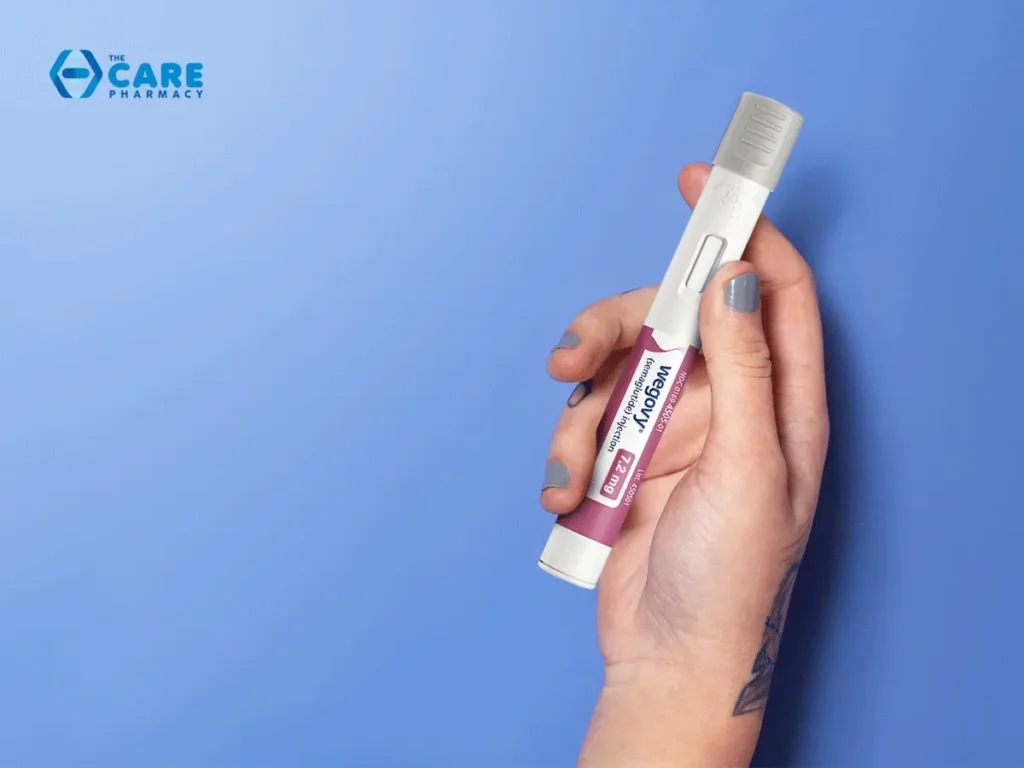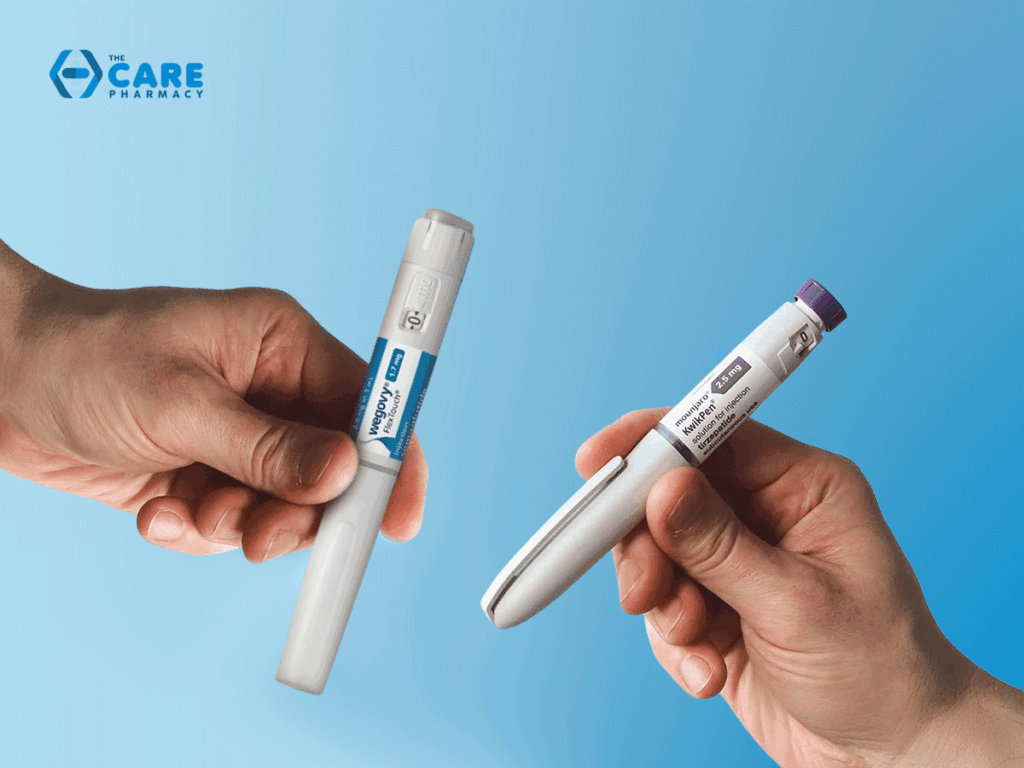
Switching from Mounjaro to Wegovy: Is It the Right Time to Switch?
Deciding when to move from Mounjaro to Wegovy depends on factors like rising costs, side effects, slowing progress, or availability.
Weight loss injections such as Wegovy, Saxenda, and Mounjaro are gaining popularity across the UK as part of medical weight management programmes. While they are effective in suppressing appetite and aiding weight loss, many users have started reporting changes in their sleep patterns, ranging from difficulty falling asleep to increased fatigue during the day.
This detailed guide explores how these injections can affect your sleep and what practical steps you can take to improve your rest while on them.
Weight loss injections, particularly GLP-1 receptor agonists like Semaglutide (found in Ozempic and Wegovy) and Tirzepatide (used in Mounjaro), work by mimicking a natural hormone called GLP-1. This hormone is released in your gut in response to food and helps regulate:
By slowing gastric emptying and sending satiety signals to the brain, these injections make you feel full for longer and reduce food cravings. However, because they interfere with gut and brain signalling, they can sometimes also impact your sleep-wake cycle, energy levels, and mood.

Yes, they can—but not for everyone. Some people experience disturbed sleep, insomnia, vivid dreams, or daytime sleepiness. These effects vary depending on individual response, dosage, and other lifestyle factors.
GLP-1 agonists affect neurotransmitters in the brain, particularly those related to dopamine and serotonin, both of which are involved in mood regulation and sleep cycles. Disruption in these chemicals can make it harder to fall or stay asleep.
One of the most common side effects of these injections is nausea, especially when first starting treatment or increasing dosage. If this nausea hits at night, it can lead to frequent awakenings or restless sleep.
Although rare in non-diabetics, some individuals might experience mild hypoglycaemia during the night, especially if they go to bed without eating enough. Low blood sugar can cause night sweats, dizziness, and sudden awakenings.
As your body adjusts to weight loss, metabolism shifts may affect circadian rhythms. A calorie deficit or fast weight loss can interfere with melatonin production, the hormone responsible for regulating sleep.

Sleep plays a vital role in supporting healthy and sustainable weight loss, especially when using treatments like Mounjaro or Wegovy. A good night’s sleep helps regulate hormones that control your appetite, reducing hunger and limiting unnecessary calorie intake.
On the other hand, poor sleep can slow down your metabolism, making it harder for your body to burn calories efficiently. It also increases the likelihood of craving sugary, high-carb snacks to compensate for low energy.
Improving your sleep not only benefits your overall wellbeing, but it can also directly enhance the effectiveness of weight loss injections. In fact, studies show that better sleep quality can boost your chances of successful weight loss by up to 33%.
Understanding your body’s response and speaking to your healthcare provider about side effects is crucial for long-term success.

Administering your injection in the morning rather than the evening helps avoid nausea and GI discomfort at night, improving your sleep quality.
Skipping meals might worsen side effects and contribute to unstable blood sugar, which can interfere with sleep. Always aim for a light, protein-rich dinner at least 2–3 hours before bed.
Dehydration can increase fatigue and intensify nausea. Drink plenty of water consistently throughout the day but reduce fluid intake right before bedtime to avoid waking for the toilet.
Limit caffeine and other stimulants after 2 PM. They may interact with the medication’s side effects and worsen insomnia or restlessness.
Mood changes and anxiety are possible side effects of GLP-1 receptor agonists. If you notice increased anxiety at bedtime or racing thoughts, consider seeking support from your GP or a mental health professional.
If you experience:
You must consult a doctor. They might adjust your dosage, change the timing of administration, or offer supportive therapies to manage the side effects.
Each person reacts differently. While some tolerate Saxenda better than Ozempic or Mounjaro, others might find the opposite. It’s often about trial and adjustment under medical supervision. There is no universal “sleep-friendly” injection, but side effects usually lessen over time.
Interestingly, yes. Some users report:
This shows the effects are highly individualised and depend on your starting weight, comorbidities, and overall health status.
Daily moderate activity can reduce stress and improve sleep, but avoid intense workouts right before bed.
Magnesium supports muscle relaxation and can improve sleep latency and quality. Always check with a pharmacist before adding supplements, especially when on prescription injections.
Track when you take your injection, what you eat, and how you sleep. Over time, you may notice patterns that help you optimise your schedule.
Sleep problems are not officially listed as a common side effect of Wegovy (semaglutide). However, some users report difficulty falling or staying asleep, particularly during the first few weeks of treatment.
Poor sleep is not considered a common or expected side effect of GLP‑1 agonists such as Wegovy or Mounjaro. However, it can occur indirectly due to side effects like nausea, bloating, or increased anxiety, especially when adjusting to the medication.
There is no clinical evidence that taking weight loss injections at night improves sleep. In fact, administering the injection in the morning or earlier in the day is often recommended to minimise sleep disturbances, especially if you’re prone to gastrointestinal side effects like nausea or diarrhoea, which can worsen at night.
If you suspect Wegovy is interfering with your sleep:
How long do sleep-related side effects from semaglutide injections last?
If you do experience sleep disturbances from semaglutide (Wegovy), they are usually temporary and tend to improve as your body adjusts to the medication. This typically happens within the first 2–4 weeks of starting or increasing your dose. If problems continue beyond that, medical advice should be sought.
Sleep problems are not officially listed as a common side effect of Wegovy (semaglutide). However, some users report difficulty falling or staying asleep, particularly during the first few weeks of treatment.
Poor sleep is not considered a common or expected side effect of GLP‑1 agonists such as Wegovy or Mounjaro. However, it can occur indirectly due to side effects like nausea, bloating, or increased anxiety, especially when adjusting to the medication.
There is no clinical evidence that taking weight loss injections at night improves sleep. In fact, administering the injection in the morning or earlier in the day is often recommended to minimise sleep disturbances, especially if you’re prone to gastrointestinal side effects like nausea or diarrhoea, which can worsen at night.
If you suspect Wegovy is interfering with your sleep:
How long do sleep-related side effects from semaglutide injections last?
If you do experience sleep disturbances from semaglutide (Wegovy), they are usually temporary and tend to improve as your body adjusts to the medication. This typically happens within the first 2–4 weeks of starting or increasing your dose. If problems continue beyond that, medical advice should be sought.

Medically reviewed by
Superintendent Pharmacist


Deciding when to move from Mounjaro to Wegovy depends on factors like rising costs, side effects, slowing progress, or availability.
Losing weight can often feel like a long road, especially when progress slows down despite your best efforts.
Is hair loss a common side effect of Mounjaro? Yes. Although it’s caused by weight loss – not the medication. Here’s why it happens, and how to manage hair loss without derailing your progress.
Erectile Dysfunction (ED) is becoming an increasingly common issue among men in the UK.
The FreeStyle Libre 3 Plus is set to revolutionise glucose monitoring across the UK, with Abbott announcing its official replacement of previous FreeStyle Libre sensors.
Erectile dysfunction (ED) affects millions of men across the UK and globally, yet it’s a condition surrounded by silence and stigma.



To get a better experience with our website.
We have sent a verification code to your phone. Please enter it below.
We sent an interactive verification list to your WhatsApp. Please open it and approve the request to continue.

You can now browse our website better.