

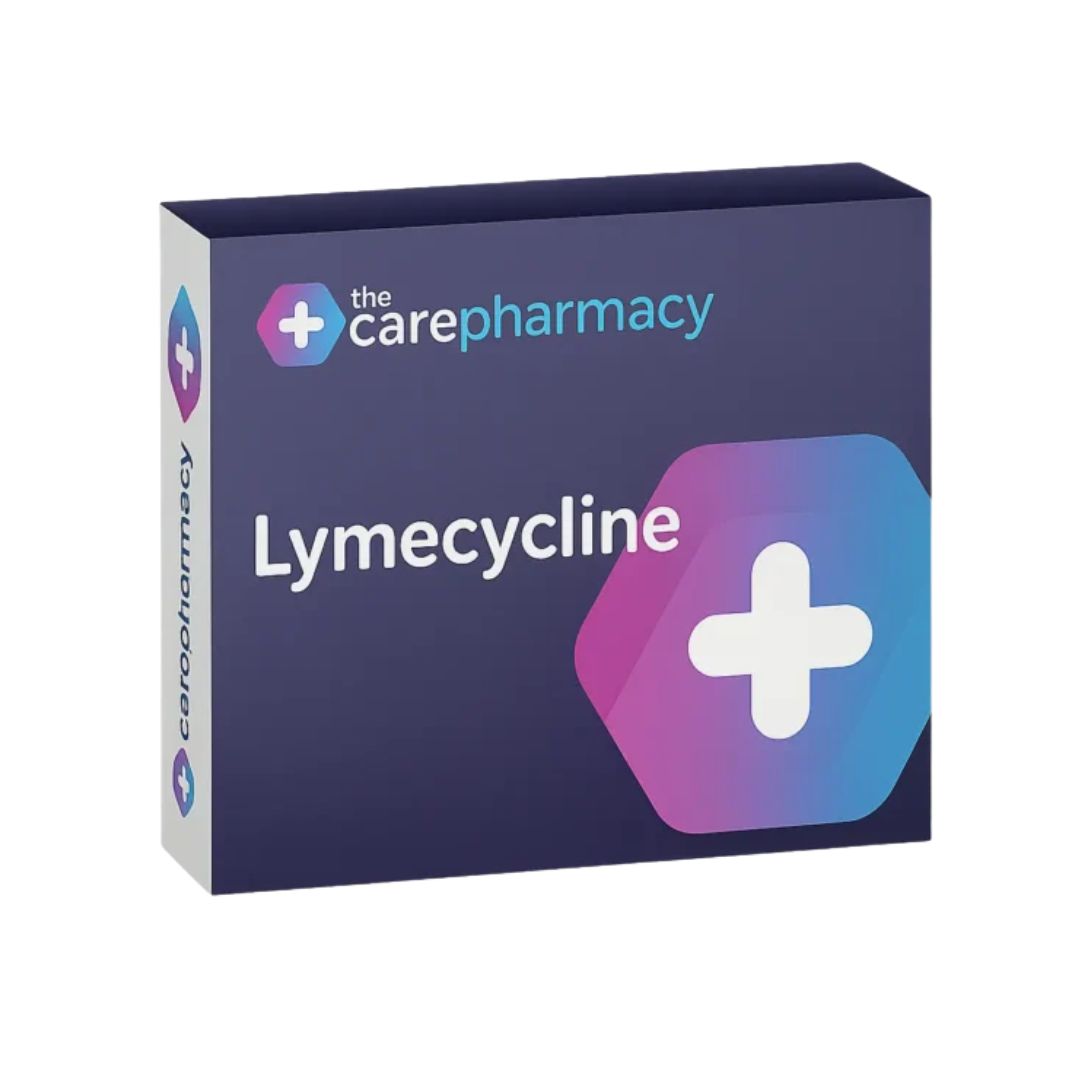
Lymecycline

£20.00

Lymecycline is a prescription oral antibiotic used mainly for treating moderate to severe acne and certain bacterial infections. Taken once daily, it reduces bacteria and inflammation. Packaging and branding may differ from image shown.

Request Treatment

icon-1

Type of medicine

Antibiotic medicine from the tetracycline group used to treat bacterial infections, including acne.

icon-2

Active Ingredient

Lymecycline – a tetracycline antibiotic that stops bacteria from growing and spreading.

icon-3

Effective within

Visible improvement in acne symptoms is usually seen within 4 to 8 weeks of treatment.

icon-4

Not Suitable For

People allergic to tetracyclines; not suitable for children under 12, pregnant or breastfeeding women, or those with liver or kidney problems.

icon-5

Side effects

Common side effects may include nausea, abdominal pain, diarrhoea, headache, or sensitivity to sunlight.

icon-6

Works by

Inhibiting bacterial protein synthesis to prevent bacteria from multiplying, helping clear infection and reduce inflammation.

Lymecycline is a prescription oral antibiotic commonly used in the treatment of moderate to severe acne and various bacterial infections. It belongs to the tetracycline class of antibiotics, working by inhibiting the growth of bacteria responsible for infection and inflammation. For acne, Lymecycline helps reduce both the bacteria and inflammation that cause breakouts, promoting clearer skin over time. The medicine is suitable for adolescents and adults under medical supervision, and is generally prescribed as part of a comprehensive acne management plan. Regular follow-up with a healthcare professional is important to monitor effectiveness and minimise the risk of side effects.

How It Works

Lymecycline blocks bacterial protein synthesis, preventing the bacteria from multiplying and spreading. In acne treatment, this reduces the population of acne-causing bacteria on the skin and helps calm inflammatory lesions.

Why Choose Lymecycline

Lymecycline is an effective once-daily antibiotic that simplifies treatment routines and is generally well tolerated. It can be taken for extended periods under doctor supervision and is a suitable option for those who have not responded well to topical treatments alone. Its broad spectrum of action allows it to target various skin and soft tissue infections in addition to acne.

Important Note

Lymecycline should always be taken exactly as prescribed, for the full duration advised by your doctor. Do not stop early even if symptoms improve. Avoid excessive sun exposure during treatment, as tetracyclines can increase skin sensitivity. Notify your doctor if you experience severe headaches, vision changes, or signs of an allergic reaction.
Reviews

There are no reviews yet.

Be the first to review “Lymecycline”

Your email address will not be published. Required fields are marked *

Directions

Always follow the instructions in the patient leaflet.

  • Take one Lymecycline capsule daily with a full glass of water, ideally on an empty stomach or as directed.

  • Swallow the capsule whole; do not crush or chew.

  • Avoid taking with antacids or supplements containing calcium, iron, or magnesium.

  • Complete the full prescribed course, even if symptoms improve.

  • Store below 25°C in the original packaging.

  • Keep out of sight and reach of children.

Ingredients

Active Ingredient: Lymecycline 408mg (equivalent to tetracycline base 300mg)

Excipients: Maize starch, Magnesium stearate, Gelatin, Titanium dioxide, Indigo carmine, Purified water.

Side Effects

Common side effects may include:
Nausea or stomach upset
Diarrhoea
Headache

Serious (rare) side effects:
Severe allergic reactions (rash, swelling, difficulty breathing)
Photosensitivity (sunburn)
Severe headache or vision changes

Seek medical advice if you experience serious or persistent side effects.

Warnings

Do not use Lymecycline if you are allergic to tetracyclines or any of the ingredients. Inform your doctor about all medications and supplements you are taking. Not suitable for children under 12 years, pregnant or breastfeeding women. Avoid sunbeds and prolonged sun exposure. Take the full course as prescribed to prevent antibiotic resistance.

Most people tolerate lymecycline well, but like all medicines it can cause side effects. Common side effects include feeling sick, stomach pain, diarrhoea or loose stools, constipation, and headaches. Some people may develop thrush (a fungal infection) in the mouth or genital area, or become more sensitive to sunlight; using sunscreen and avoiding sunbeds can help. Serious side effects are rare, but if you develop a rash, severe diarrhoea, dizziness, difficulty breathing, liver problems or other unusual symptoms, stop taking the medicine and seek medical advice immediately.
Some medicines can interact with lymecycline. Antacids, indigestion remedies or supplements containing aluminium, magnesium, calcium, bismuth, iron or zinc can reduce absorption; take them at least two hours before or after your capsule. Lymecycline may also interact with other antibiotics, quinapril, retinoids (vitamin A derivatives such as isotretinoin used for acne), warfarin and other blood-thinning medicines, diuretics and some epilepsy medicines. Always tell your doctor or pharmacist about any other prescription medicines, over the counter products or herbal supplements you are taking so they can advise you.
Some medicines, especially antacids or supplements containing calcium, iron, or magnesium, can interfere with Lymecycline absorption. Consult your doctor before combining treatments.
You may start to see an improvement in your acne within one to two weeks of starting lymecycline, but it can take several weeks to reach its full effect. Many people notice significant improvement by the end of the first month, but treatment is often continued for two to three months to clear the skin completely. Continue taking the capsules as prescribed, even if you do not see immediate results, and speak to your doctor if you have concerns.
Noticeable improvement in acne may take several weeks; full benefits are typically seen after 8 to 12 weeks of continuous treatment.